#85. The Unglamorous Infrastructure That Makes Digital Health Work
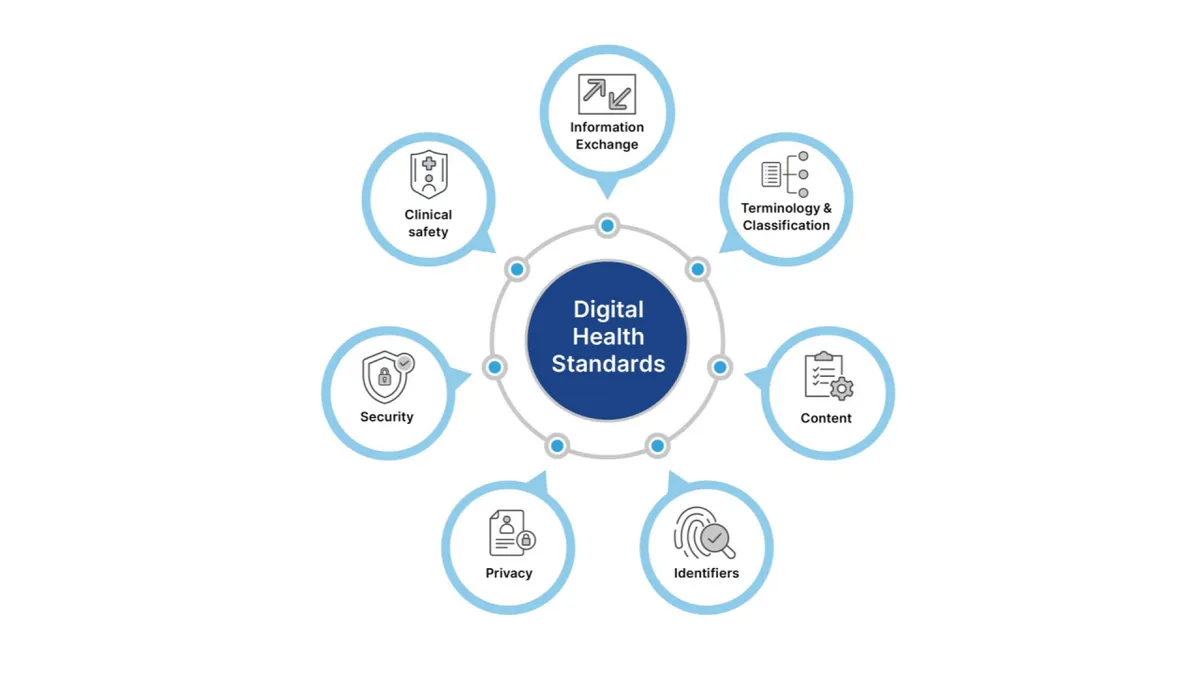
The most interesting thing I read this week is Australia’s National Framework for Digital Health Standards. It was a useful reminder that the future of digital health will not be delivered by apps, portals or AI alone, but by the much less glamorous work of standards.
The document sets out a nationally coordinated approach to the adoption and implementation of digital health standards in Australia. Its ambition is to strengthen interoperability, improve healthcare outcomes, and support the digital transformation of the health system.
Australia is recognising that standards are core national infrastructure and foundational to the safe, secure and meaningful exchange of health information across care settings. In practical terms, standards are what allow data to flow accurately and consistently between providers, systems and consumers. Without them, every new digital service risks becoming another island - useful in isolation, but hard to connect into the wider landscape.
Some of the themes that stood out for me:
- Person-centred - The Framework makes the point that patients and healthcare professional should not have to piece together their health story from different systems or care settings. Instead, the health system should be truly person-centred, allowing access to timely, secure, and meaningful health information - empowering patients and providers alike.
- Complimentary standards - One of the strongest themes in the document is that interoperability is not created by a single standard. FHIR does not solve everything. Neither does SNOMED CT, openEHR, OMOP, or HL7 v2. The Framework is explicit that “no single standard can solve the interoperability puzzle”; meaningful interoperability comes from multiple, coordinated and complementary standards working together.
- Trust - The Framework also does a good job of connecting standards to trust. It argues that patients need to be able to depend on the accuracy, accessibility and security of their health information if a person-centred digital health system is to work. That trust depends on the underlying assurance that information is reliable, interoperable and protected.
- AI - The document notes that national adoption of standardised clinical terminology and digital health standards provides a safer foundation for the responsible introduction of AI tools across the health sector. It also warns that terminology and coding maps can help reduce the risk of incorrect or hallucination-impacted creation of structured data. In other words, if AI is to be safely embedded in healthcare, it needs good data foundations, and standards are a critical part of those foundations.
- Implementation - There is also a refreshingly honest section on implementation challenges. The Framework identifies inconsistent implementation, limited incentives, legacy system constraints, privacy and cyber security risks, and the absence of a national governance mechanism as barriers to adoption. This is important because standards do not adopt themselves. They need governance, incentives, practical guidance, procurement levers, conformance processes and workforce capability.
- Conformance - The framework describes a national conformance and assurance process designed to ensure that digital health products and systems operate in line with interoperability, safety and security expectations. Rather than simply recommending standards, the Agency intends to support a structured pathway through procurement guidance, conformance testing, assurance processes and public registers of conformity
Overall, what I found interesting is the emphasis on clinical and patient engagement. The Framework states that clinicians need to help shape requirements and design so that potential safety issues and usability challenges are identified early. It also says patient and clinical voices will become increasingly important in shaping how digital health solutions operate. That is exactly right. Standards that are technically elegant but disconnected from clinical workflow or lived experience will not deliver the transformation we need.
That is why this document is worth a read. It outlines an operating model for connected care, not just technical standards. It recognises that interoperability is a national capability, not a vendor feature. And it makes clear that the next phase of digital health will depend as much on coordination, stewardship and adoption as it will on innovation.
Originally published on LinkedIn.