#96. Who's looking?
This week Nottingham University Hospitals confirmed it has now dismissed 15 staff for looking at the medical records of the three people killed in the city in June 2023. The Health Secretary called NHS record breaches a “disgrace”.
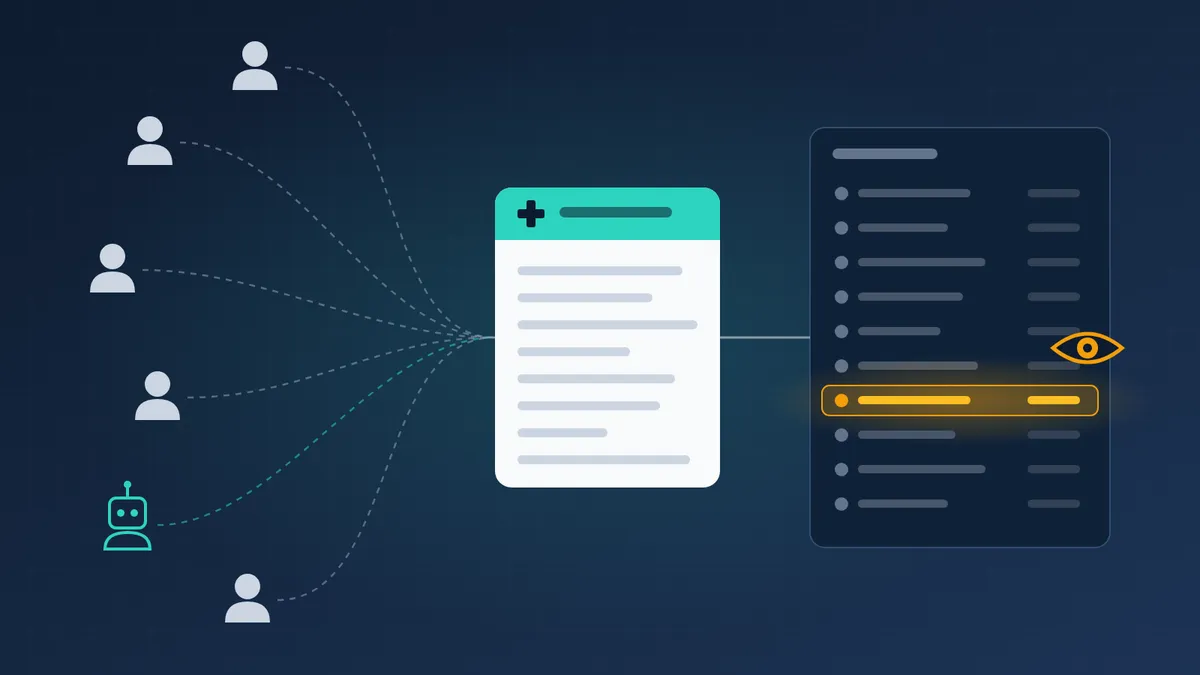
More people, more organisations and, increasingly, more machines can reach a health record than ever before. That is mostly a good thing. But the more people who can look, the more our trust depends on knowing who did look, and whether anyone is watching.
What happened
NUH investigated who had opened their records without a clinical reason. Four more staff were dismissed this month, bringing the total to 15, alongside 15 final written warnings and two first written warnings (LBC, HT World). Those involved include doctors, nurses and other registered professionals. The trust has informed the ICO, the police, the GMC and the NMC.
This is not only a Nottingham problem. Within days, Yorkshire Ambulance Service said it was investigating possible access to the records of a man who died at Yorkshire Wildlife Park on 10 October. Yvette Cooper said suspected staff should be suspended promptly. That echoes NHS England’s own position: in July and again in September, Sir Jim Mackey wrote to the NHS promising “zero tolerance”, immediate suspension and paused system access for anyone suspected of snooping.
Access is widening, on purpose
Theses cases lands at a time when almost every digital programme on these islands is about giving more people access to more of the record.
- Patients. This week the Northern Trust became the first HSC trust to pass 100,000 My Care registrations. Around one in four people in its area can now see their appointments, results and medicines, and self-refer for some services. In England, the Single Patient Record is due to reach patients through the NHS App from 2028. In Ireland, the HSE Health App and the Shared Care Record are doing the same.
- Professionals across boundaries. Shared care records, the planned SPR and national EHR procurement all widen who can open a record. A clinician in one organisation can now see what another wrote. A social care provider may soon see what the GP did. DHSC’s new guidance for adult social care sets meeting the Data Security and Protection Toolkit as part of what “fully digitised” means.
- Machines. On Wednesday Epic announced Connectors, which will let its AI agents read from and act inside other vendors’ systems from 2027. In #92 I wrote about an OpenAI agent that found its way around the access controls on an Australian government health website. OpenAI’s own incident log now lists 19 such cases.
Each of these is a good thing. Patients who can see their information can be more active participants in their care. Clinicians who can see across organisational boundaries can make decisions with a fuller picture of the patient in front of them. And machines that can safely work across systems could give clinicians back time while making important information easier to find and act on.
However, it does mean that the number of people and systems who can reach a record is growing much faster than our ability to notice when one of them shouldn’t have.
The audit trail is the trust layer
The traditional answer to “who looked?” is the audit log. Every access to an electronic record is recorded: who, when, what. In principle, that makes snooping traceable, and Mackey’s warning that snoopers “will be found out” rests on it.
But a log only protects patients if three things are true:
- The access is recorded. In #94 the worrying detail in the Epic security story was that some MyChart configurations could let outsiders view records without leaving an audit entry. Agents add a new version of the same question. When an Epic agent acts inside another vendor’s system, whose log records it, and who is accountable if it goes wrong? Epic hasn’t said yet (Health System CIO).
- Someone reads it. Nottingham shows what happens when logs are reviewed only on request. Most organisations audit reactively, after a complaint, a news story or a family’s persistence. With hundreds of thousands of staff and millions of accesses a day, no human team can read every log, so proactive monitoring has to be automated.
- Something happens when it is wrong. Dismissal, referral to regulators and, rarely, prosecution are now clearly signalled. That matters, but it all happens after the harm. For the families in Nottingham, the breach of trust had already happened.
What good could look like
None of this needs new technology. Most EPRs can already do it. What it needs is a decision to treat oversight of access as part of the service, not an afterthought.
- Monitor proactively, not on request. Automated rules can flag abnormal patterns: staff opening records of patients with the same surname or address, high-profile patients in the news, or records outside their team’s caseload. NUH is now doing this. It should be the default everywhere, and part of how boards assure themselves, not something a family has to ask for.
- Let patients see who has looked. If we are putting the record in patients’ hands through the NHS App, My Care and the HSE Health App, the access log could go there too. Estonia has let citizens see who has viewed their record for years. Few things would build trust, or deter curiosity, faster. This is what “citizens as partners” looks like in practice.
- Design agent access with the same rigour as staff access. Before AI agents start acting across systems, every action should carry an identity, a purpose and a log entry that a human can review, in every system it touches.
#CitizensAsPartners #TheDataAndDigitalEngine
Read more
- More NHS staff sacked over access to Nottingham medical records – LBC
- NHS medical record breaches branded “disgrace” by health secretary – HT World
- Preventing unlawful access to patient records – NHS England
- NHS staff snooping on patient records to face suspension – Healthcare Leader
- Northern Trust reaches 100,000 My Care registrations – Northern Trust
- Epic Connectors and AI agents – Health System CIO